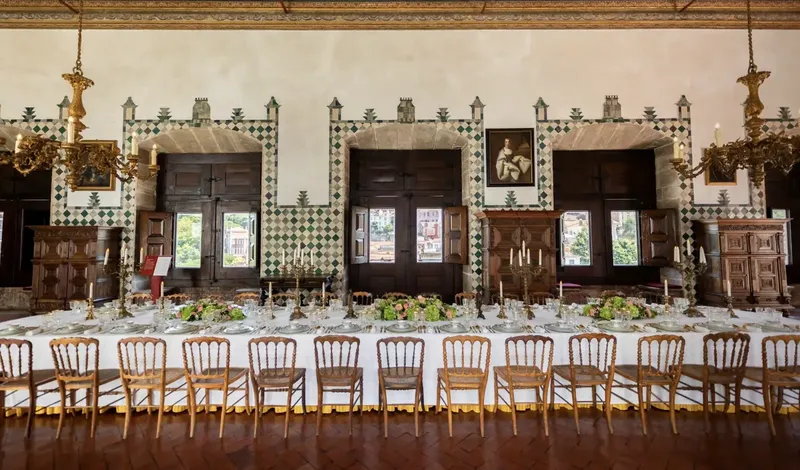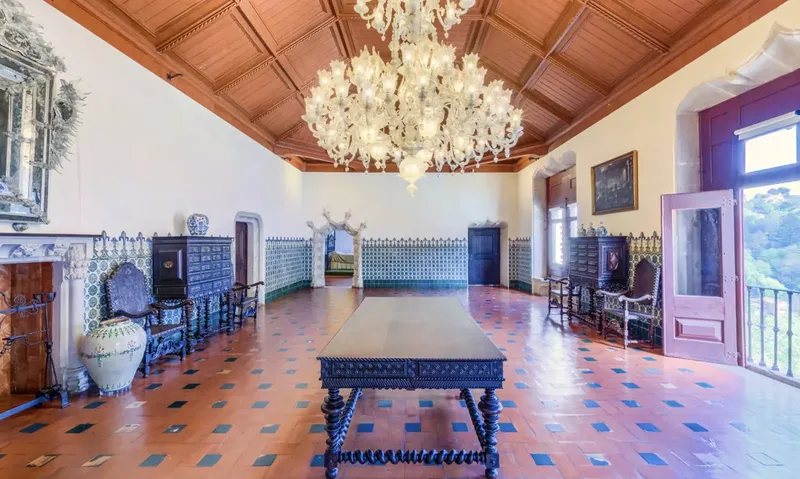
Throne Room
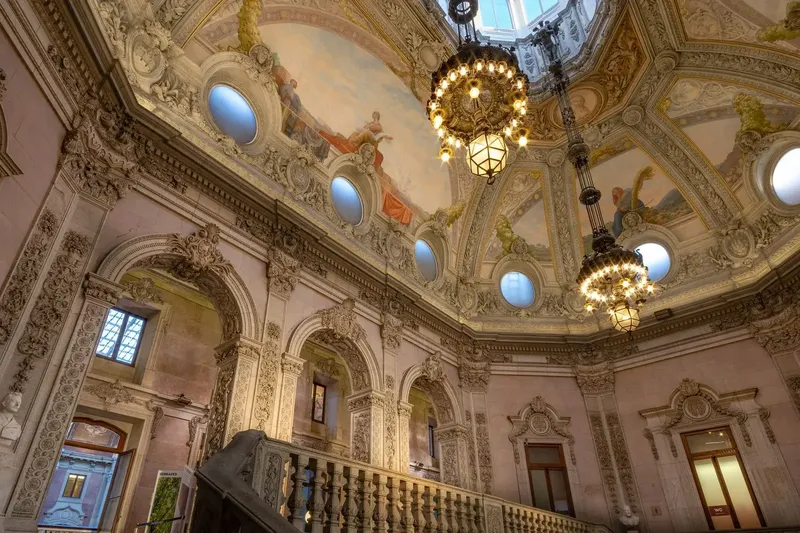
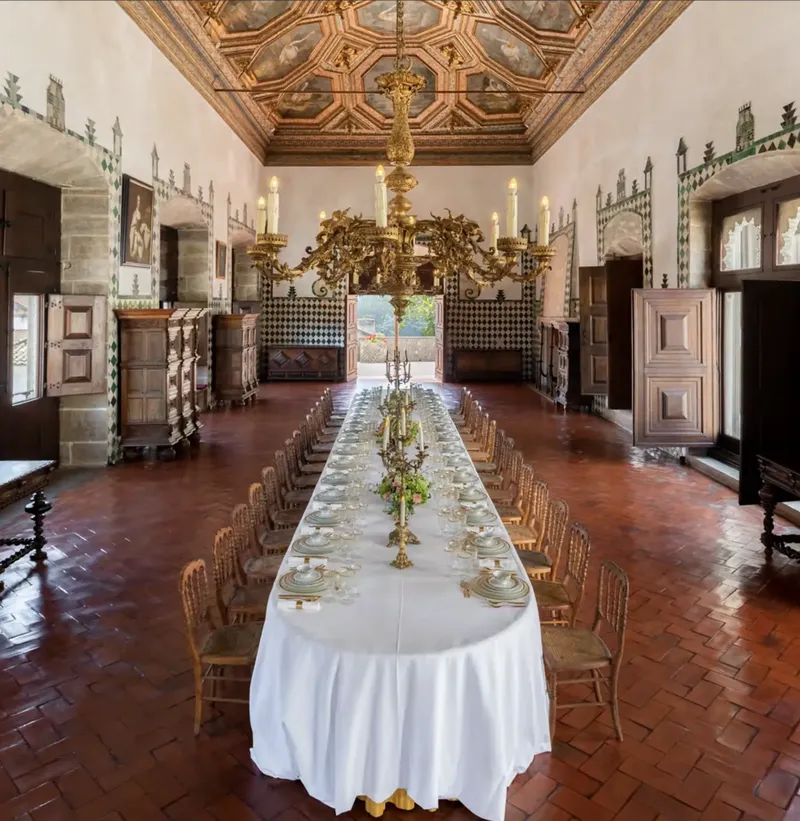
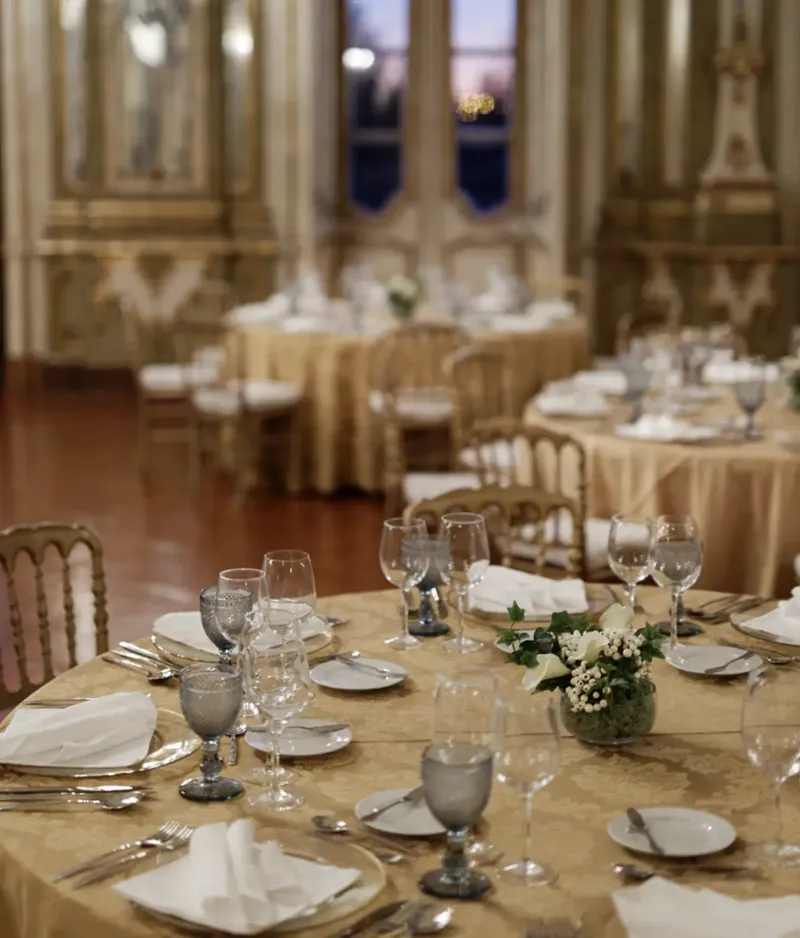
200 sitting · 230 standingThrone Room
200 sitting · 230 standingLargest seated ceremonial venue in the Sintra heritage portfolio. Royal-register banquet, awards programme, embassy reception.
18:00–00:00 exclusive after monument closes.
Six state-managed monuments inside Sintra's UNESCO Cultural Landscape (1995), held under one public-body governance, covering Pena, Monserrate, Queluz, Sintra Palace, the Moorish Castle and the Portuguese School of Equestrian Art. Twenty-seven event spaces range from Baroque halls to medieval ramparts.
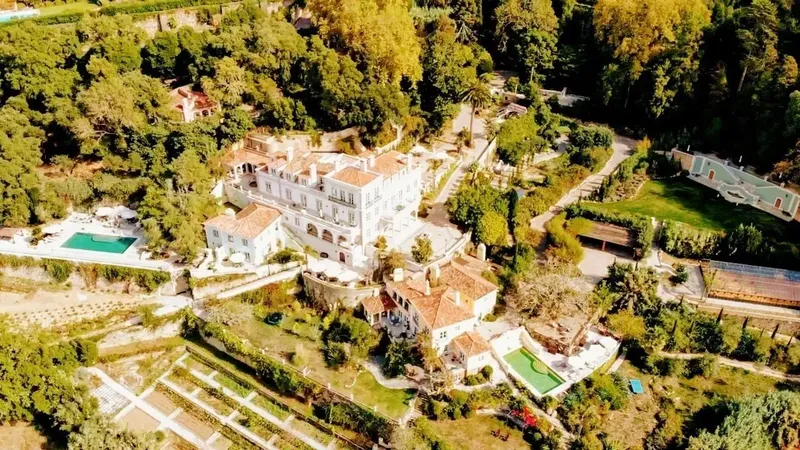
Parques de Sintra — Monte da Lua is the public body managing six state-protected monuments inside Sintra's UNESCO Cultural Landscape, inscribed in 1995. The portfolio carries the National Palace and Gardens of Queluz (eighteenth-century royal summer residence), the Park and National Palace of Pena (nineteenth-century Romantic Revival), the Park and Palace of Monserrate (nineteenth-century Romantic palace), the National Palace of Sintra (Manueline and medieval), the Moorish Castle (medieval ramparts) and the Portuguese School of Equestrian Art.
Twenty-seven event spaces are distributed across the six monuments. Governance follows state-managed protocol, covering application packet, committee approval, heritage-compliance rules and approved-supplier framework, rather than hospitality-led concierge. None of the monuments carry on-site accommodation and guests stay at Sintra-area or Lisbon hotels.
Each monument carries a different architectural register and a different programme fit.
Largest seated ceremonial venue in the Sintra heritage portfolio. Royal-register banquet, awards programme, embassy reception.
18:00–00:00 exclusive after monument closes.
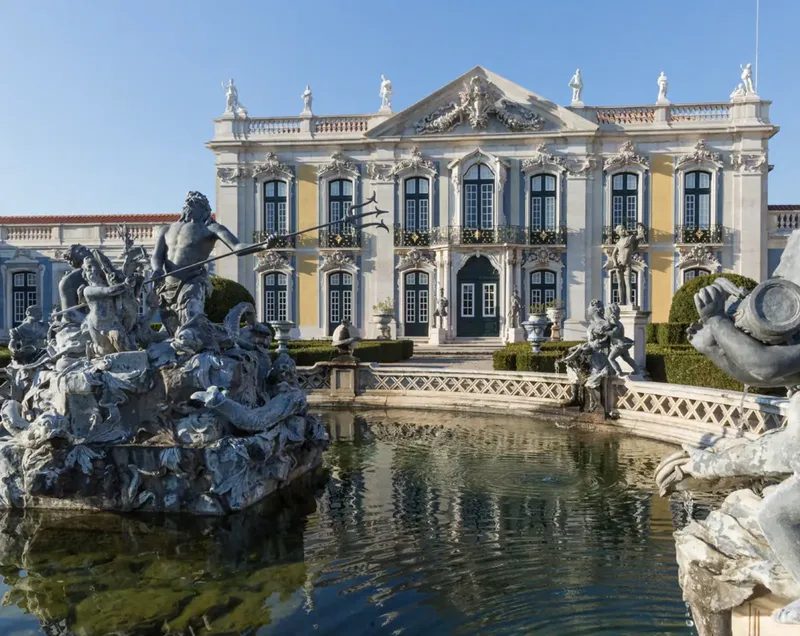
Seventeen fountains, Robillion Staircase and terraces serve as the opening cocktail format before the Throne Room transition.
Outdoor — Sintra mist contingency built into proposal.
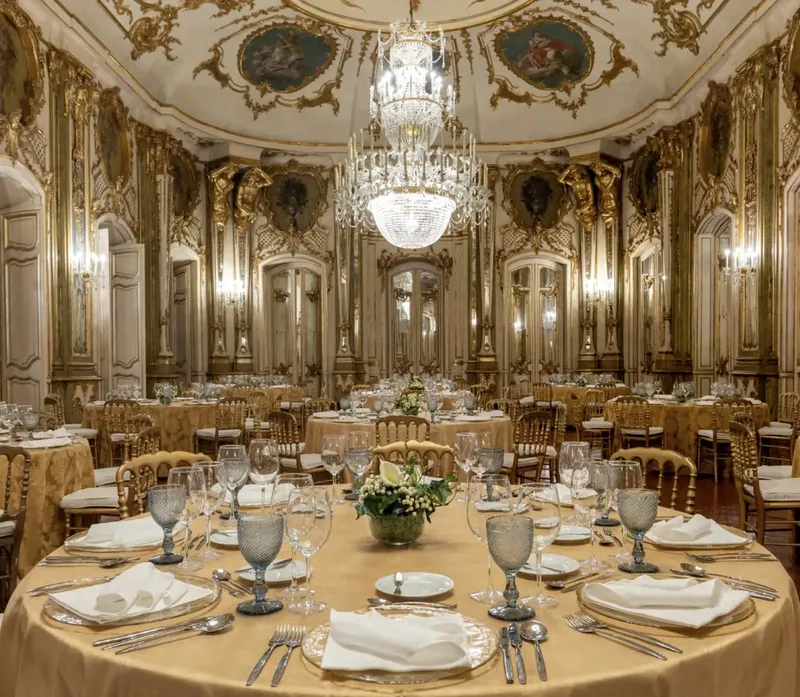
The formal banquet anchor carries an embassy and diplomatic register and offers an alternative to the Throne Room.
Paired with Robillion Staircase as ceremonial entrance.
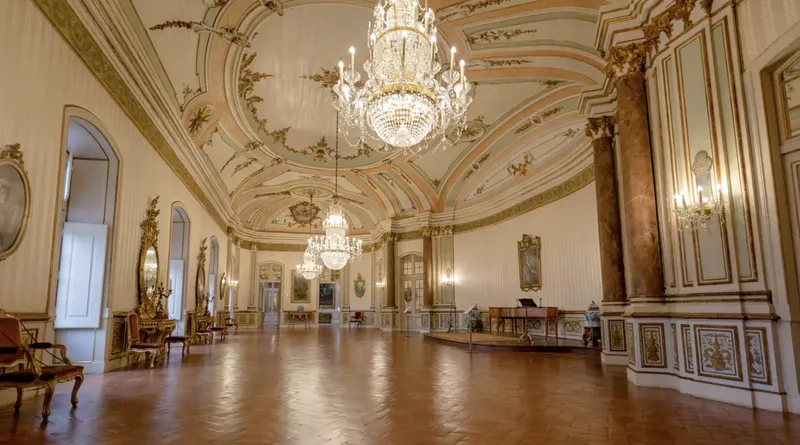
Chamber-music brand activation works here as a layered cocktail-and-music space inside the Throne Room evening flow.
The heritage register pairs with a classical concerto programme.
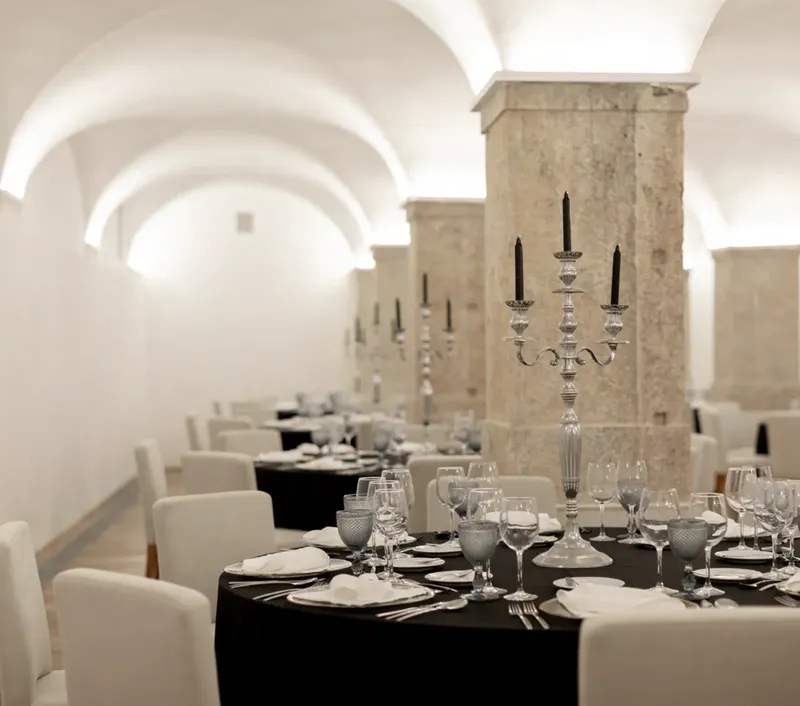
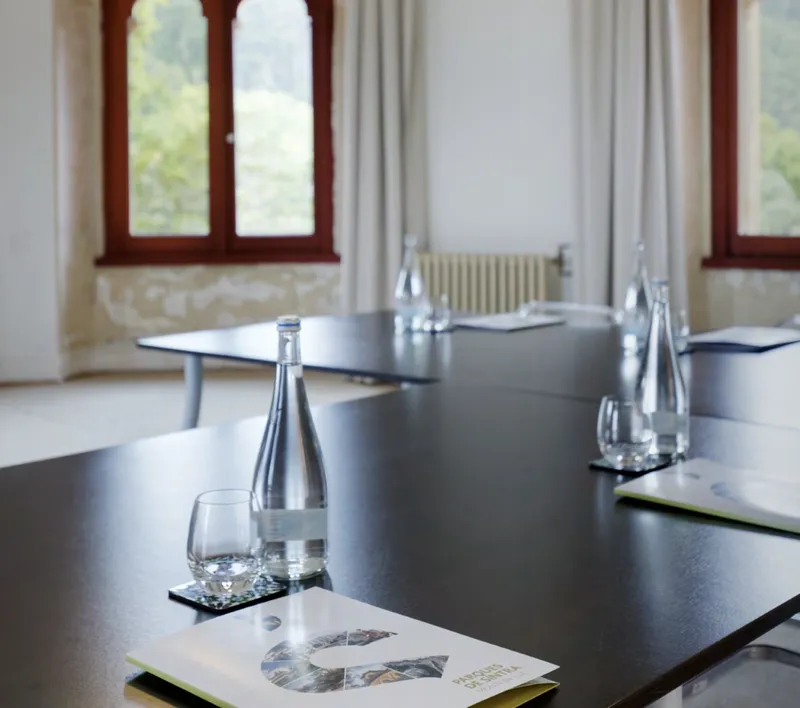
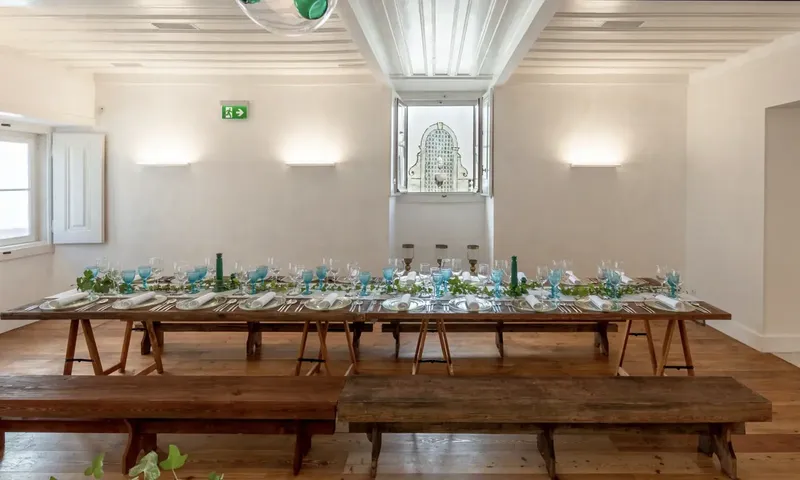
Vaulted heritage venue for senior-tier briefings and intimate awards programmes.
Smaller register inside multi-room Queluz evening.
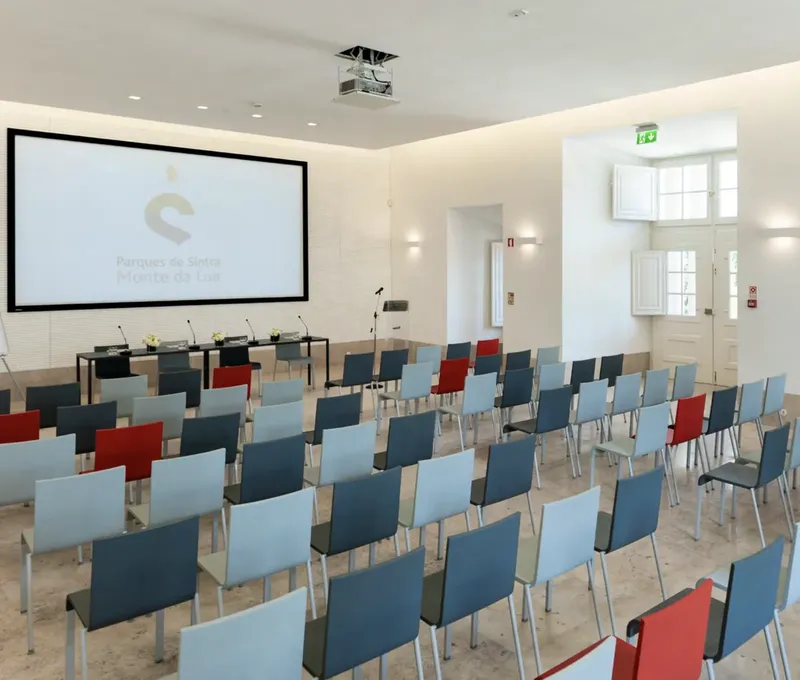
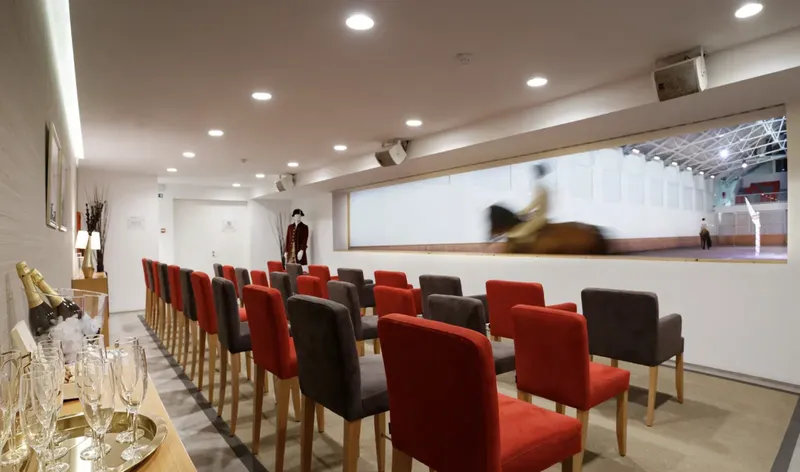
AV-friendly modern auditorium for press conferences and panel formats inside the heritage envelope.
Exclusive use from 13:00.
Queluz Palace events anchor on the Throne Room and Hall of Ambassadors, the most event-friendly monument of the cluster, fifteen minutes from central Lisbon, with the largest seated capacity in the Sintra heritage portfolio.
Largest seated ceremonial room in the Sintra portfolio.
Seventeen fountains, Robillion staircase and terraces serve as the opening cocktail format.
The formal banquet anchor carries an embassy and diplomatic register.
The chamber-tier programme pairs with classical concerto formats.
Vaulted heritage venue for senior-tier briefings and intimate awards.
AV-friendly modern auditorium for press conferences and panels.
Ceremonial royal-tone galas · embassy receptions · banking-tier corporate awards · luxury brand UNESCO-backdrop launches
Garden cocktails before a Throne Room dinner is the underrated programme arc here. Most first-time briefs lead with the Throne Room and miss the seventeen-fountain Baroque garden as the opening act.
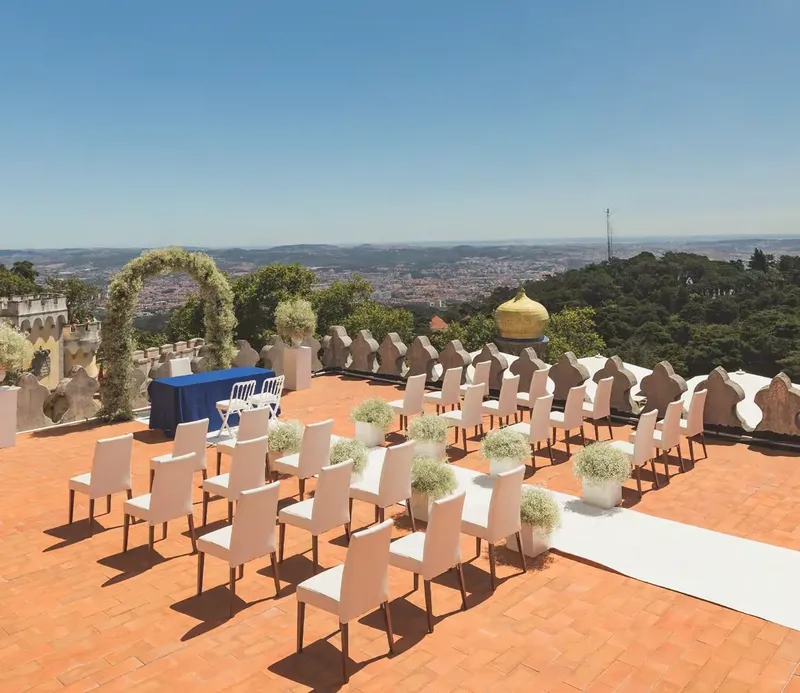
19th-c. King Ferdinand II Romantic Revival. Pena Palace events lead with the photography moment. The UNESCO crown-jewel monument features Romantic Revival architecture commissioned by King Ferdinand II in the nineteenth century, sitting at the top of the Sintra Hills. Best for: Press-launch photography · UNESCO backdrop product launches · brand activations needing fairy-tale Romantic register
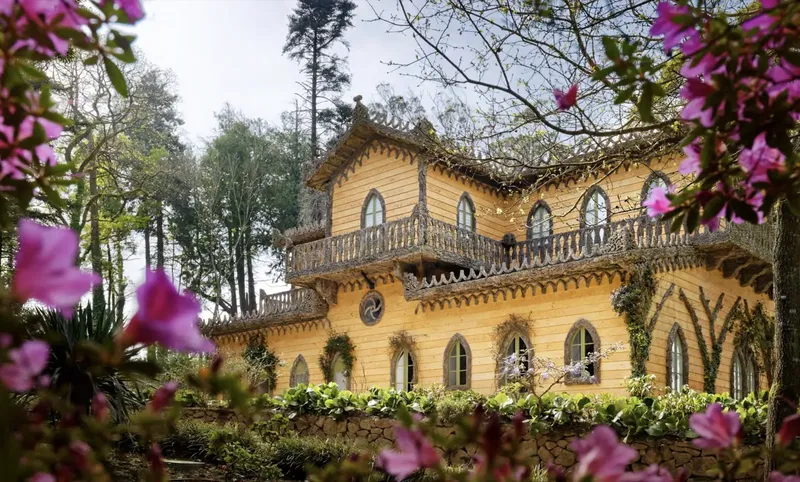
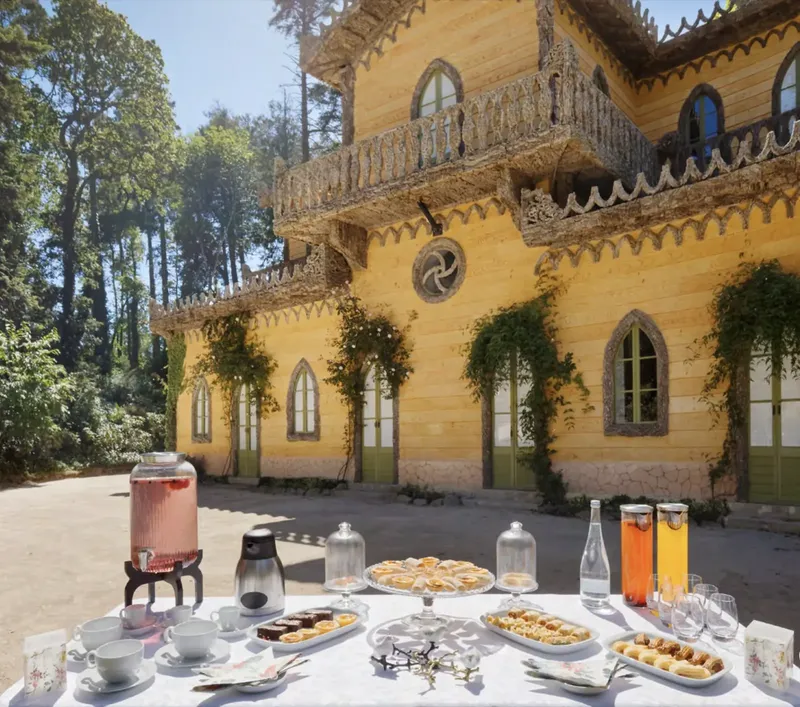
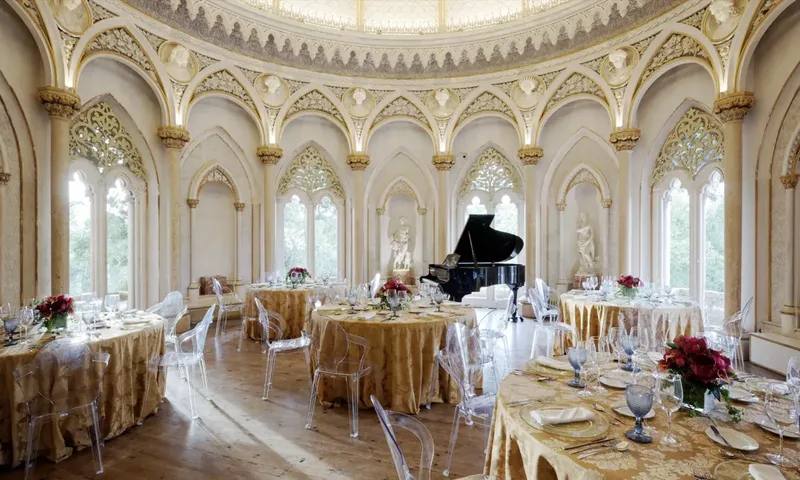
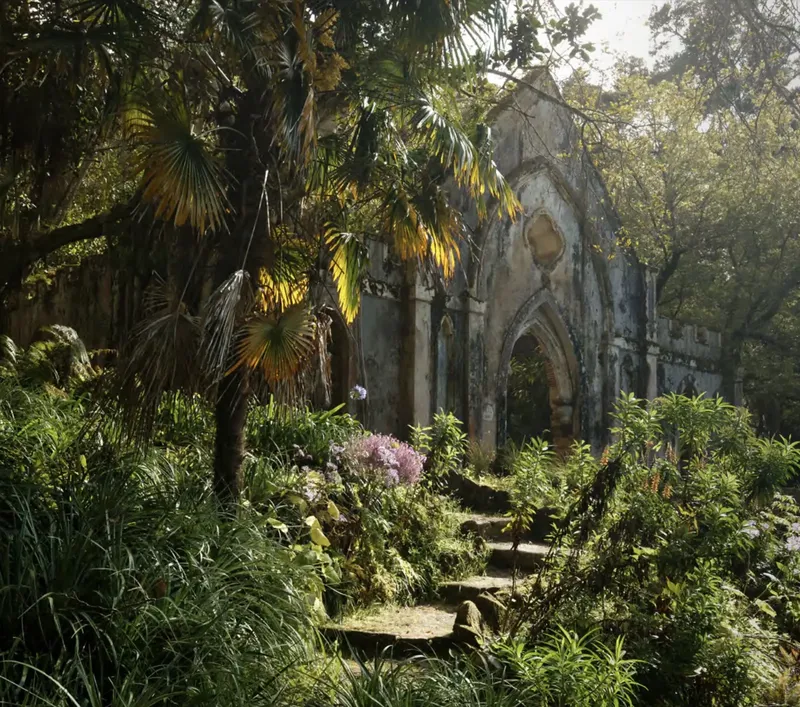
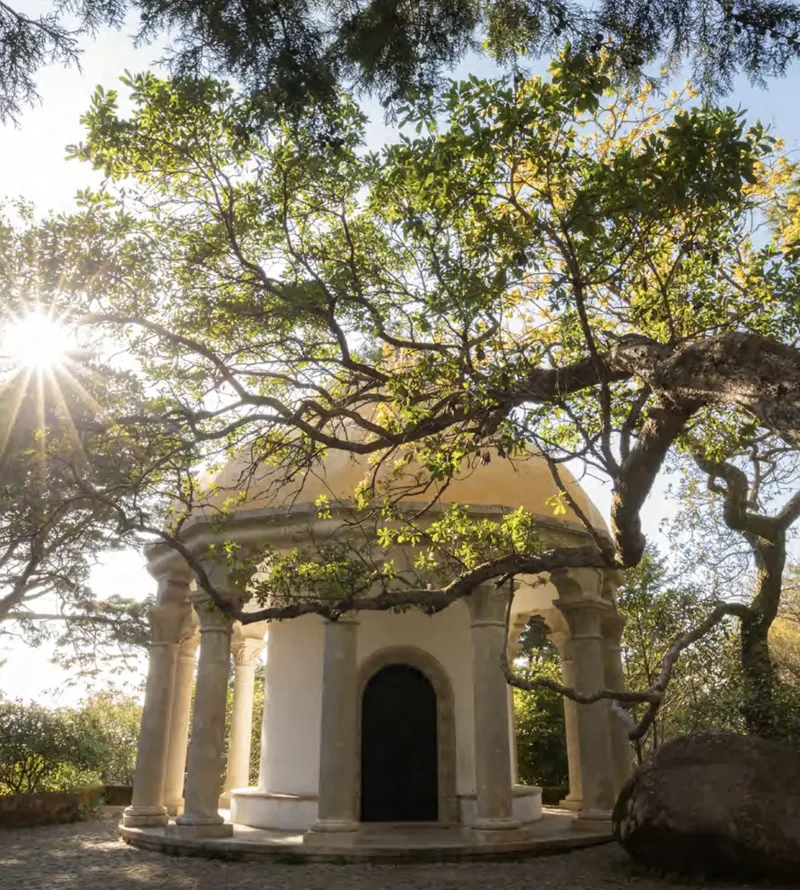
19th-c. Romantic palace. Monserrate Palace events anchor on the Music Room chamber-concert format, the most secret-garden monument of the Sintra cluster, layered with Mexican garden, Japanese garden and fern collections. Best for: Intimate cultural / music / garden-led brand activations · chamber-concert dinners · secret-garden cocktail receptions
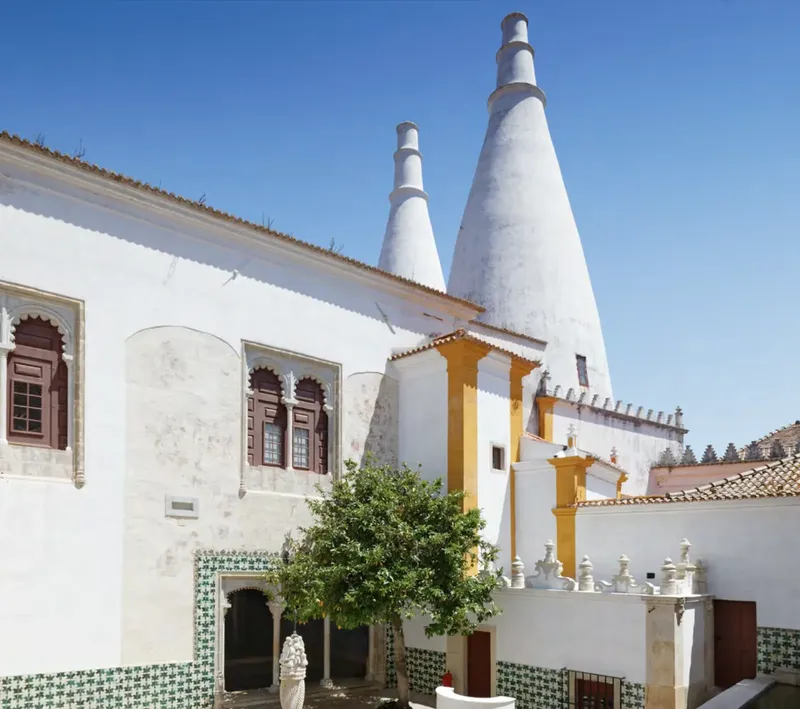
Manueline + medieval, the oldest royal residence in Portugal. The medieval-to-Manueline royal palace at the heart of Sintra centre carries the Swans Hall and the Central Patio for banking-tier formal banquets after a guided transition through the rooms. Best for: Banking-tier formal banquets in the Swans Hall · ceremonial transitions through the palace · cultural-register evenings
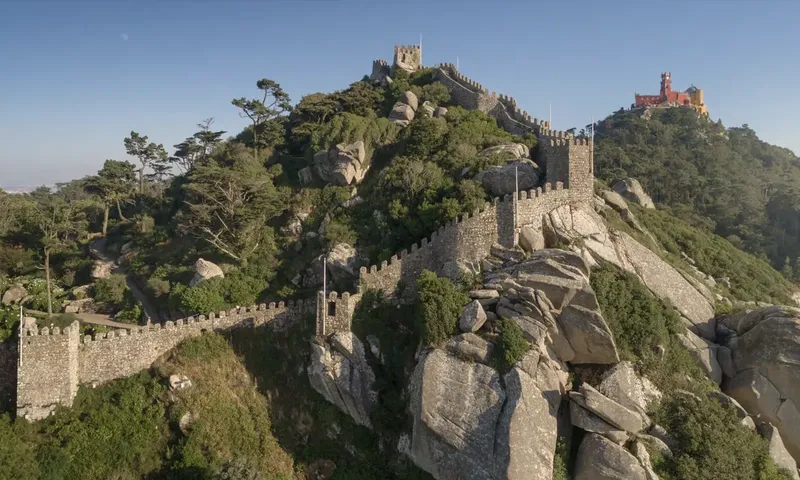
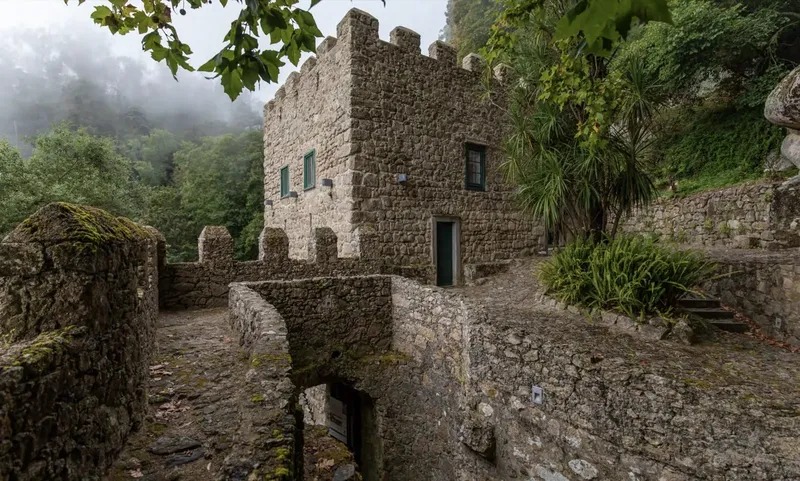
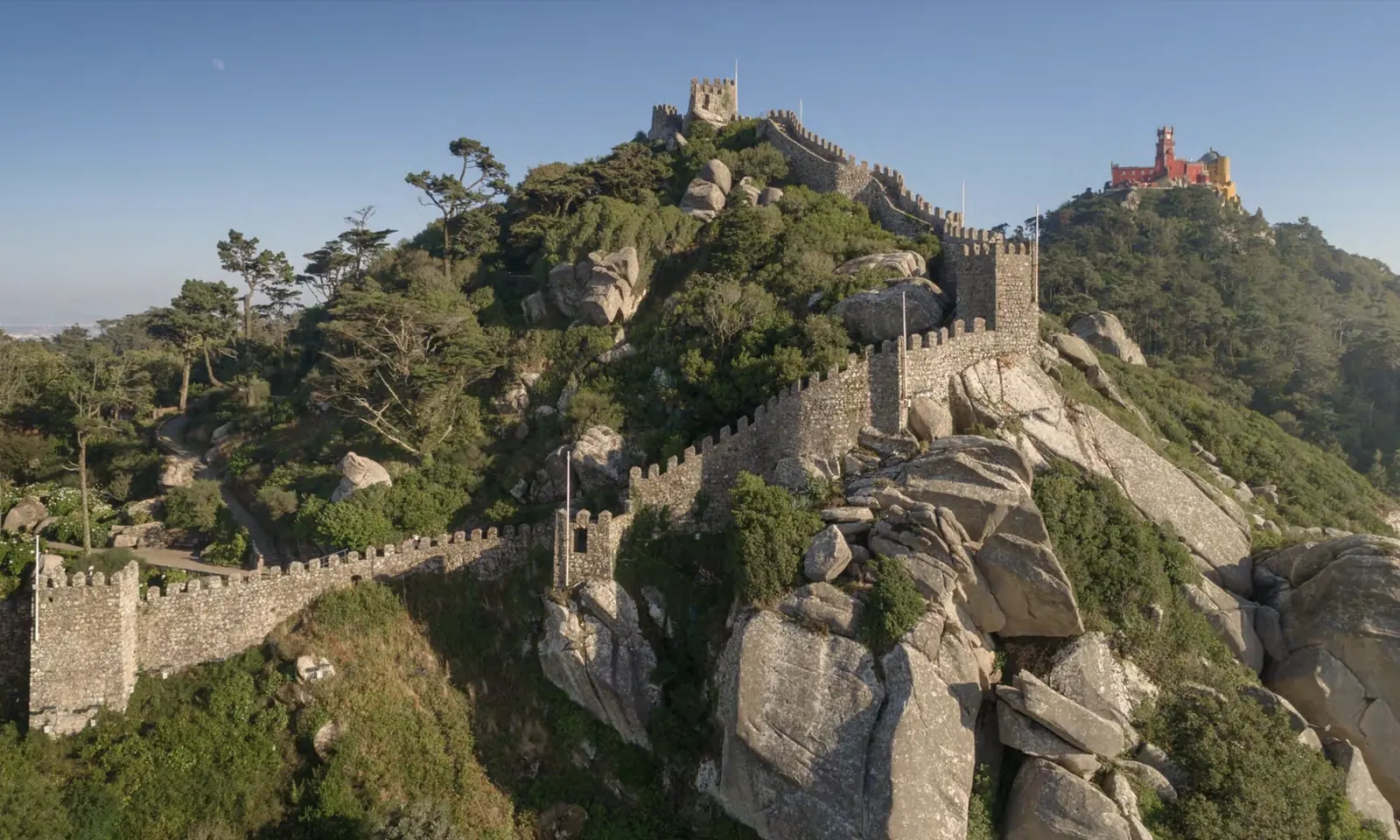
Medieval ramparts, ninth-century origin. The medieval ramparts above Sintra feature the Curtain Wall, Arms Square and dramatic outdoor positioning at altitude. Best for: Dramatic outdoor cocktail receptions · photography-led brand visits · ceremonial visit moments inside multi-monument programmes
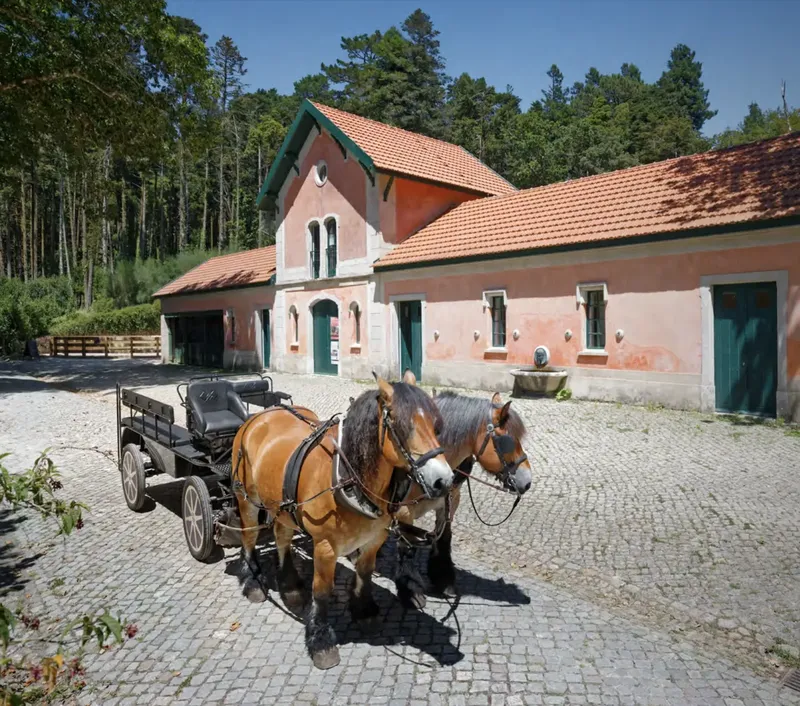
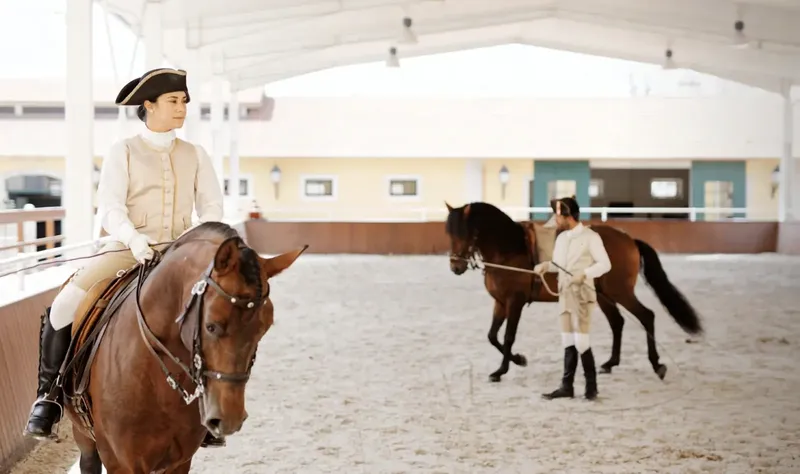
Living horsemanship tradition — UNESCO Intangible Cultural Heritage. The living-tradition monument of the Sintra cluster positions the Henrique Calado Riding Ring as a 180-degree event audience around the riders, with the Nora Patio for ceremonial reception. Best for: Niche brand activations using the Riding Ring as 180-degree audience venue · luxury automotive launches · culturally specific programmes
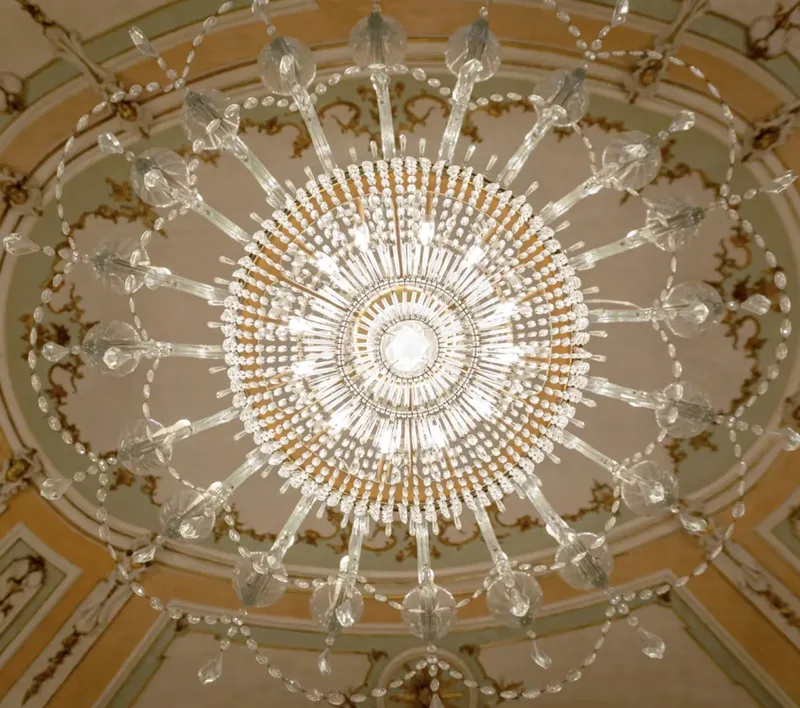
This complex brings together five distinct architectural styles under a single cultural heritage management body. The 18th-century Baroque style at Queluz, with its garden adorned with seventeen fountains and the Robillon Staircase; 19th-century Romantic Renaissance in Pena, built by order of King Ferdinand II on the summit of the Sintra hills; the exoticism of the 19th-century Romantic palace at Monserrate, with its Mexican garden, Japanese garden and fern collections; the Manueline and medieval styles at the National Palace of Sintra; the medieval fortifications at the Moorish Castle; and the living tradition of equestrianism at the Portuguese School of Equestrian Art.
Read in fullBTQ can create events within the historic sites of the Sintra parks for clients hosting formal occasions — such as embassies and diplomatic receptions, family offices, celebrations of important occasions in a regal setting, luxury brand launches requiring a UNESCO-listed venue, formal corporate awards ceremonies, as well as evenings dedicated to fashion, art and culture. Practical scope sits in the 70-to-120-guest range for private dinners and corporate awards evenings, with guests staying off-site and the production built around access, timing, permissions, and room preservation.
Read in fullParques de Sintra is the ideal venue for cultural legacy events that require the prestige of UNESCO and a variety of architectural monuments. It is the wrong choice for clients needing on-site rooms — route to Penha Longa Resort for hybrid hotel-plus-monument logic, or to Pestana Palace Lisboa for hotel-led ceremonial. For single-night urban heritage galas in Porto, route to Palácio da Bolsa — also state-managed, simpler protocol cycle. For wine-country multi-day, Six Senses Douro Valley. For Sintra event production overall, Parques de Sintra is the heritage anchor.
Read in full| Criterion | Parques de Sintra (Queluz lead) | Palácio da Bolsa | Pestana Palace Lisboa | Palácio de Seteais |
|---|---|---|---|---|
| Region | Sintra (state-managed) | Porto centre | Lisbon | Sintra |
| Heritage register | UNESCO Cultural Landscape, 18th–19th c. | UNESCO Historic Centre Porto, 19th c. | 19th c. private hotel | 18th c. former royal estate |
| Governance | State-managed (Parques de Sintra) | State-managed (ACP) | Private (Pestana) | Private (Tivoli/Anantara) |
| Max event capacity | 300 (Queluz Baroque Gardens cocktail) · 200 (Hall of Ambassadors) | 500 (Pátio das Nações) | 250 | 80 |
| On-site rooms | None | None | 190 | 30 |
| Best for | Ceremonial royal-tone galas, embassy receptions, multi-monument flexibility | Single-monument heritage galas, large cocktails (Porto) | Hybrid: hotel + ceremonial hosting (Lisbon) | Intimate Sintra heritage hosting |
| BTQ production volume here | High (Queluz lead) | High | Medium | Low–Medium |
"Parques de Sintra rewards the brief that matches the monument's personality. Garden cocktails at Queluz before a Throne Room dinner. A chamber-concert moment in the Monserrate Music Room before guests are seated. The Pena Stag Terrace as a photography reveal, not a heavy production. The Sintra Palace Swans Hall as the destination after a guided transition through the rooms.
We design from the monument out — never the other way around."
Parques de Sintra manages event spaces within the UNESCO-listed Cultural Landscape of Sintra. These are state-managed monuments, gardens and formal rooms where production is shaped by protocol from the first brief.
Every event begins with a formal application covering programme description, guest count, catering plan, lighting and staging diagrams, supplier outline, security profile and assigned spaces. The application is reviewed against the monument calendar, preservation requirements and operating conditions before production detail moves forward.
First-time clients underestimate runway. Sixteen weeks is the floor because room assignment, supplier coordination, weather planning, insurance and operating-hours alignment all sit inside the approval process, and the calendar tightens further on peak dates.
For a 90-guest corporate awards evening, BTQ routes arrival through the Queluz gardens, then moves guests into the Throne Room for dinner and awards. Coffee and after-dinner programming sit on the terraces, with transfers staged back to Lisbon- or Sintra-area hotels.
Within 48 hours, BTQ maps the brief to the correct monument or monument pair. Queluz supports ceremonial scale. Pena supports photography. Monserrate supports intimate cultural programming. The National Palace of Sintra supports banquet atmosphere. The Moorish Castle supports dramatic outdoor moments. The Portuguese School of Equestrian Art supports living-craft activation.
BTQ prepares and submits the application through the Parques de Sintra events process. The packet includes event description, guest count, room assignment, catering plan, lighting and staging diagrams, supplier outline, security profile and technical requirements.
BTQ confirms the room-by-room compliance plan, covering freestanding production, protected surfaces, supplier access, lighting position, sound control, furniture placement and preservation requirements. A technical visit is scheduled at least 30 days before the event when the selected monument has not been produced by BTQ in the previous 12 months.
Catering, AV, florals, security and transport are scoped against the approved-supplier framework. Multi-monument programmes require separate staging plans for each space, then one integrated production timeline.
BTQ aligns guest arrival, parking, transfers, weather contingency, visitor-flow separation, security, catering and departure protocol with the venue team. The schedule is confirmed before production night.
BTQ's producer remains on site throughout the event. The programme runs inside the approved time window, with room preservation and guest movement managed continuously.
BTQ closes the programme with condition sign-off, supplier reconciliation, media usage confirmation and final reporting. This protects the monument and preserves BTQ's working relationship with Parques de Sintra for future programmes.
Event cost at a Parques de Sintra monument is scoped in the structured proposal BTQ delivers within 48 hours of receiving the brief. For Parques de Sintra, the proposal includes monument-room assignment, application planning, compliance scope, approved-supplier coordination, accommodation routing and a programme rhythm built around the state-managed event window. Typical formats include ceremonial gala dinners, product launches, press conferences and milestone celebrations.
Yes. Parques de Sintra, the state body managing Sintra's UNESCO Cultural Landscape, operates twenty-seven event spaces across six monuments, covering the National Palace and Gardens of Queluz, the Park and National Palace of Pena, the National Palace of Sintra, the Park and Palace of Monserrate, the Moorish Castle and the Portuguese School of Equestrian Art. The portfolio handles ceremonial galas (Queluz Throne Room and Hall of Ambassadors at 200 seated), banking-tier banquets (Sintra Palace Swans Hall at 100 seated), chamber-concert formats (Monserrate Music Room at 60), photography-led brand launches (Pena Stag Terrace) and dramatic outdoor cocktail formats (Moorish Castle ramparts). BTQ produces 70-to-120-guest private dinners and corporate awards evenings here, with guests staying off-site at Sintra-area or Lisbon hotels.
The right monument depends on the format. For ceremonial royal-tone galas and embassy receptions, Queluz carries the largest seated capacity in the cluster, with the Throne Room seating 200 and the Baroque gardens absorbing a 300-cocktail opening. For press-launch photography moments and brand reveals on a UNESCO backdrop, Pena's Stag Terrace is the anchor, though it is best to route away from Pena for large seated dinners because the terraces, stairs and visitor flow constrain heavy production. For chamber-tier intimate brand activations, Monserrate's Music Room caps at 60 and pairs with the secret-garden cocktail format. For Manueline banquets, Sintra Palace's Swans Hall delivers banking-tier formality. The Moorish Castle suits dramatic outdoor cocktail only. The Portuguese School of Equestrian Art works as a niche living-craft programme. BTQ pairs the brief to the monument in the first 48 hours.
Parques de Sintra — Monte da Lua is the public body managing six state-protected monuments inside Sintra's UNESCO Cultural Landscape, inscribed in 1995. The portfolio carries the National Palace and Gardens of Queluz (eighteenth-century royal summer residence), the Park and National Palace of Pena (nineteenth-century Romantic Revival), the Park and Palace of Monserrate (nineteenth-century Romantic palace), the National Palace of Sintra (Manueline and medieval), the Moorish Castle (medieval ramparts) and the Portuguese School of Equestrian Art. Event production at any of the six monuments runs through the Parques de Sintra events team, governed by application packet, committee approval, heritage-compliance rules and approved-supplier protocol. BTQ navigates that protocol internally on the client's behalf, providing one brief, one team and one accountable production lead.
Working lead time is 14 to 16 weeks for a simple private dinner and 16 to 24 weeks for corporate, luxury brand, embassy, multi-monument, press or after-hours programmes. Peak season (May–June, September) needs the longer end of the range. Treat lead time at Parques de Sintra as similar to or slightly longer than Palácio da Bolsa, as the variables are wider, covering monument selection, weather plan for outdoor spaces, public-access integration and the Parques de Sintra disclosure that certain palaces may be commandeered for state events affecting scheduled bookings. BTQ flags that risk in proposals from the first conversation.
None of the six monuments carry on-site accommodation. BTQ co-ordinates the accommodation block at Sintra-area or Lisbon hotels per programme, including Tivoli Palácio de Seteais (eighteen minutes from Sintra centre, eight minutes from Pena), Pestana Sintra Royale (eight minutes from Sintra centre) and Penha Longa Resort for hybrid hotel-plus-monument programmes. For Queluz programmes the Lisbon hotel cluster is closer, at twenty to thirty minutes by transfer. Guest arrival choreography, transfer staging and dispersal logistics are part of every Parques de Sintra programme that BTQ produces.
A gala dinner at a Parques de Sintra monument typically combines a multi-course meal, with Queluz Throne Room or Hall of Ambassadors for ceremonial scale and Sintra Palace Swans Hall for Manueline-register banking-tier formality, alongside an opening cocktail in a paired space, frequently the Baroque Gardens at Queluz with their seventeen fountains. Speeches, awards segments and entertainment are produced inside the dinner programme. A monument-photography moment usually anchors the guest experience, drawn from Pena Stag Terrace, the Robillion staircase at Queluz or the Moorish Castle ramparts depending on programme. Black-tie register is standard for ceremonial gala formats and BTQ shapes the dress code per brief.
The word "gala" comes from Old French gale, meaning rejoicing or festive show, itself rooted in older Germanic and Romance terms for ceremony and public celebration. A gala dinner is therefore a formal evening built around ceremony, recognition or institutional milestone, distinct from a standard banquet by its dress code, programmed rhythm (arrival, speeches, awards or reveal moments, seated dining, after-dinner programming) and venue register. At Parques de Sintra monuments, including Queluz, Sintra Palace, Pena and Monserrate, gala dinners run inside state-managed UNESCO Cultural Landscape spaces where 18th-century Baroque and 19th-century Romantic architecture lend the format real institutional weight. BTQ produces ceremonial galas in this register under Parques de Sintra heritage protocol.
Yes. Multi-monument programmes are one of the strongest formats Parques de Sintra delivers. A common arc runs garden cocktails at Queluz into a Throne Room dinner, or a Pena Stag Terrace photography moment in the late afternoon followed by a Monserrate Music Room chamber concert and a Monserrate seated dinner, or a Sintra Palace Swans Hall banquet preceded by a guided palace transition. Each additional monument increases the application packet and the lead-time floor, with multi-monument briefs sitting at the 16-to-24-week end of the lead-time range. BTQ designs the through-line so the cohort experiences a single programme rather than three disconnected stops.
Sintra became the first centre of European Romantic architecture in the 19th century, according to UNESCO. For event production that gives each Parques de Sintra venue a defined architectural register — Pena for Romantic Revival, Queluz for ceremonial Baroque scale, Monserrate for garden and music-room programming, Sintra Palace for Manueline banquet atmosphere, the Moorish Castle for medieval-rampart cocktail, and the Portuguese School of Equestrian Art for living-craft programming. BTQ translates that setting into programme architecture, guest movement and protocol-led production.
Private events are produced inside the Parques de Sintra event protocol. Public visiting hours, exclusive-use windows, room access, supplier movement and guest arrival are mapped into the BTQ production timeline before the programme is confirmed. For after-hours and large-footprint formats, including Queluz Throne Room, Sintra Palace Swans Hall and Pena Stag Terrace, exclusive-use windows are scheduled outside public visiting hours and folded into the application packet.
Wedding enquiries for Parques de Sintra are routed to Event Boutique, BTQ Events' sister brand for destination weddings in Portugal. BTQ Events focuses on corporate galas, embassy receptions, brand activations and private corporate hospitality across the same venue portfolio.